
When Pressure Washing Is Necessary For Commercial Properties
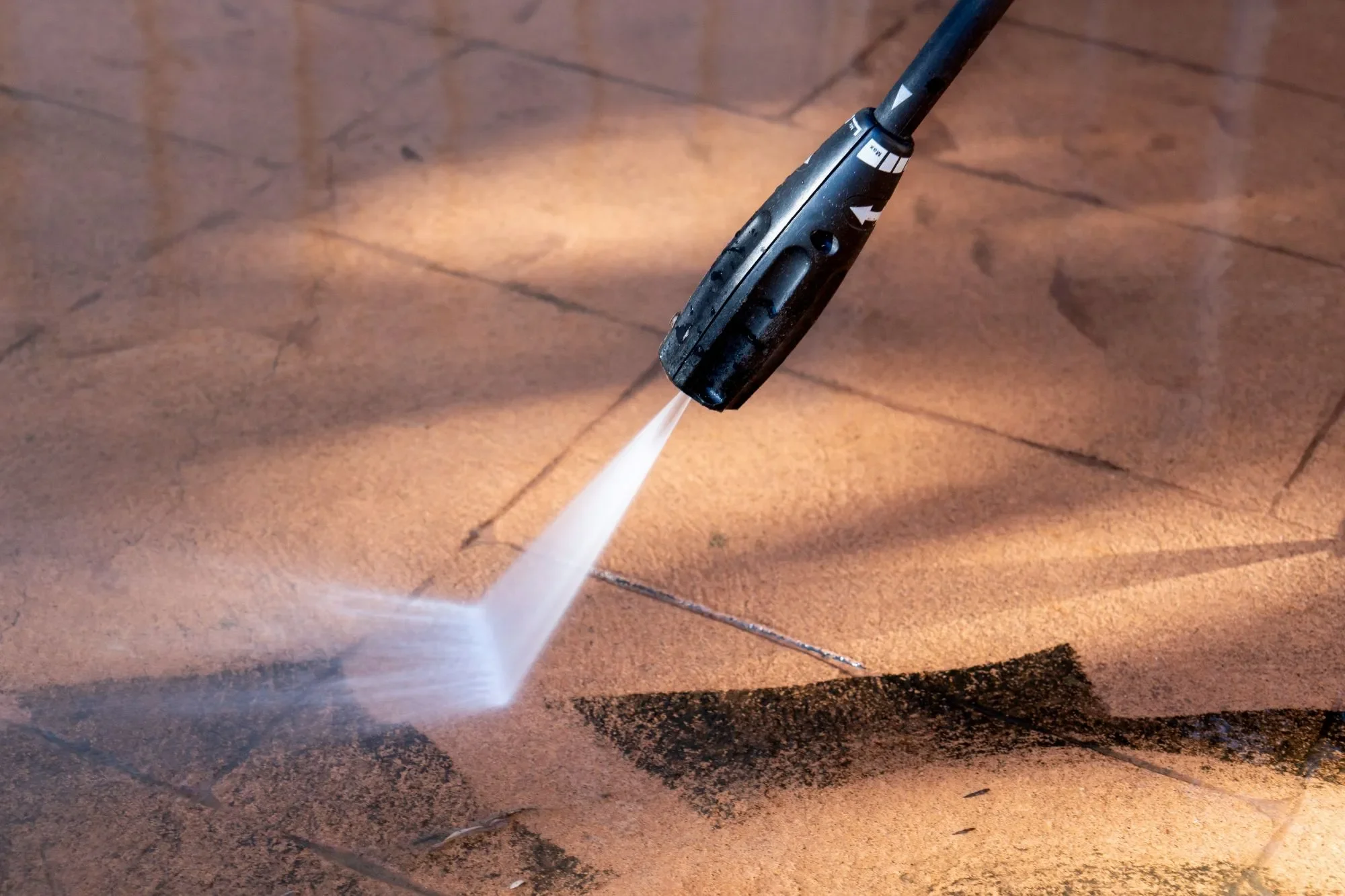
Pressure washing becomes necessary for commercial properties when surface buildup creates a safety concern, threatens exterior materials, or leaves the site visibly neglected. The right time to schedule service depends on the contaminant, affected surface, location, and rate of deterioration. Liam’s Property Care provides commercial pressure washing in Calgary based on these property-specific triggers rather than a fixed schedule alone.
Visible Build-Up That Signals Immediate Cleaning Needs
Visible buildup requires attention when sweeping or spot cleaning no longer restores the surface. Dark traffic paths, embedded grime, sticky residue, widespread staining, and contaminants tracked between exterior areas indicate that routine maintenance is no longer sufficient.
Location determines urgency. Buildup at entrances, pedestrian routes, loading areas, and customer-facing surfaces typically requires faster action than cosmetic staining in a restricted area. Property managers should also identify the source because active leaks, poor drainage, and recurring waste contamination will cause the problem to return after cleaning.
A surface assessment helps determine whether commercial pressure washing in Calgary is appropriate for the material, contaminant, and surrounding site conditions.
Oil Stains, Dirt Accumulation, And Surface Discoloration
Oil, grease, tire residue, and compacted dirt become harder to remove as they remain on porous concrete. An active spill should first be contained with appropriate absorbent or recovery methods. Pressure washing an uncontained contaminant can spread it across the property or carry it into a drainage system.
The likely cleaning result depends on the age of the stain, contaminant type, surface porosity, previous sealing, and depth of penetration. Fresh surface staining is generally easier to address than oil that has penetrated unsealed concrete. Older stains may improve significantly without disappearing completely.
General discoloration becomes a stronger cleaning trigger when it is widespread, continues to darken, affects a prominent area, or conceals cracks and other surface defects. Recurring oil stains should also be investigated for an ongoing vehicle, equipment, or waste-handling source.
Mould, Mildew, And Organic Growth Indicators
Green, black, or brown staining on concrete, retaining walls, building exteriors, and damp walkways may indicate algae or other organic growth. Colour alone does not confirm the type of growth because dirt, pollution, and mineral staining can produce a similar appearance.
Organic buildup on a pedestrian surface requires prompt attention when it reduces traction. Growth on a vertical surface is usually less urgent, but retained moisture and continued spreading can deepen staining or affect vulnerable finishes. Surface material and condition must be assessed before washing because aging coatings, damaged mortar, sealants, and softer exterior materials may not tolerate the same cleaning approach as sound concrete.
Areas near irrigation overspray, downspouts, planters, shaded walls, and poor drainage points often develop recurring growth. Correcting the moisture source where practical helps prevent the same condition from returning soon after cleaning.
Safety Risks That Require Pressure Washing
Pressure washing becomes a safety priority when residue changes surface traction, conceals pedestrian boundaries, or transfers contaminants into the building. The level of risk depends on the affected location, traffic volume, weather exposure, and consequences of a person losing footing.
The surface must also be suitable for pressure washing. Loose concrete, failed coatings, unstable pavers, damaged joints, and deteriorated exterior finishes require assessment before cleaning because excessive pressure can worsen existing damage.
Slip Hazards On Walkways And Entrances
Oil, grease, algae, food residue, compacted dirt, and wet organic matter can make walkways and entrances slippery. Warning signs include a slick feel underfoot, a visible sheen, recurring dark patches, or reports of reduced traction from staff, tenants, or visitors.
The risk is greater on ramps, stairs, curb transitions, shaded paths, and areas where water collects. Immediate controls such as restricting access or placing warning signs may be necessary until cleaning is completed. Wash water must also be controlled so it does not move the hazard into another pedestrian area.
Impact On Customer And Employee Safety
Exterior contaminants can be tracked through entrances and create slippery interior floors. Accumulated grime may also conceal curbs, changes in elevation, pavement markings, cracks, and the edges of pedestrian routes.
Properties with steady public access should respond sooner because more people encounter the affected area each day. Pressure washing can remove the contaminant, but faded safety markings, drainage failures, and damaged walking surfaces still require separate corrective work.
Property Image And Brand Perception Triggers
Exterior cleaning becomes necessary when staining and buildup remain after routine maintenance and create visibly inconsistent conditions across the property. Gum deposits, marked walls, stained entrances, dirty storefront approaches, and neglected loading areas can make an otherwise maintained commercial site appear overlooked.
The threshold depends on how the area is used and seen. Retail entrances, restaurant approaches, office plazas, and tenant common areas generally have a lower tolerance for visible buildup than restricted service zones. Cleaning may also be appropriate before tenant turnover, inspections, property showings, seasonal reopening, or high-traffic events.
A decline in appearance creates a cleaning trigger, but it does not automatically confirm that high-pressure washing is suitable. Painted façades, older masonry, sealed surfaces, and delicate exterior finishes require a cleaning approach matched to their condition.
High-Traffic Areas That Require More Frequent Cleaning
Entrances, sidewalks, drive-through lanes, loading areas, waste enclosures, and heavily used parking sections accumulate contaminants faster than less active parts of a property. These areas should be inspected more frequently instead of assigning one uniform cleaning interval to the entire site.
There is no standard pressure washing frequency for every commercial property. Property managers should establish inspection intervals based on traffic, previous buildup rates, nearby construction, vehicle activity, food or waste exposure, shade, and drainage. Service should be scheduled when staining persists after routine cleaning, traction changes, contaminants begin spreading, or customer-facing areas fall below the property’s maintenance standard.
A busy retail plaza or restaurant may require targeted cleaning multiple times during its peak-use or frost-free service period. A lower-traffic office or industrial property may only require seasonal or condition-based service. Liam’s Property Care can assess separate exposure zones so frequently used sections receive attention without unnecessarily washing the entire property.
Seasonal And Environmental Factors In Calgary
Calgary properties commonly accumulate sand, salt residue, gravel, road film, and compacted dirt through winter. Loose aggregate should be removed through sweeping first. Spring pressure washing becomes necessary when embedded material, residual film, or staining remains after the loose debris is cleared.
Exterior washing should be postponed when runoff or retained water could freeze before the surface drains and dries. Daytime temperatures alone are not enough to determine safe timing because shaded sections and overnight freezing can leave entrances or walkways hazardous.
Additional cleaning may be needed after nearby construction, prolonged dry weather, or periods of heavy vehicle and pedestrian traffic. Fall service may also be appropriate when mud, grease, leaves, or organic residue would otherwise remain on the surface through winter.
When Pressure Washing Cannot Be Delayed
Pressure washing should not be delayed when removable buildup creates a current slip hazard, contaminates a public access route, or continues spreading across the property. Heavy grease, slippery organic growth, and tracked residue near entrances require prompt action because they directly affect safe access.
Active spills require containment before washing. Unknown, hazardous, or rapidly spreading substances may require specialized spill response and disposal rather than conventional pressure washing.
Blocked drainage also requires separate attention. Loose debris should be removed and the obstruction corrected instead of being forced into a catch basin or storm drain with pressurized water. Cleaning can follow once there is a controlled drainage path.
Salt residue and retained moisture can contribute to deterioration where existing cracks, damaged joints, worn coatings, or porous concrete allow water and chlorides to enter. Freeze-thaw cycling increases the concern on already vulnerable surfaces, making timely residue removal important after winter.
Coordinating Pressure Washing With Ongoing Property Maintenance
Pressure washing works best when coordinated with sweeping, snow removal, landscaping, waste management, drainage maintenance, and surface repairs. Sweeping should remove loose gravel and debris before washing, while landscaping and waste-service schedules should be arranged so recently cleaned areas are not immediately contaminated again.
Runoff planning should identify drainage direction, nearby entrances, landscaping, storm drains, and areas where water could collect. Contaminated wash water and loosened debris may require containment or recovery rather than being allowed to move across the site.
Service timing should account for customer access, deliveries, parked vehicles, tenant operations, and drying time. Larger properties may require phased work so essential entrances and travel routes remain available. Barriers should remain in place until standing water, slippery residue, hoses, and equipment are removed and the surface is safe to reopen.
