
Why Does Ice Return After Snow Removal on Calgary Commercial Properties?
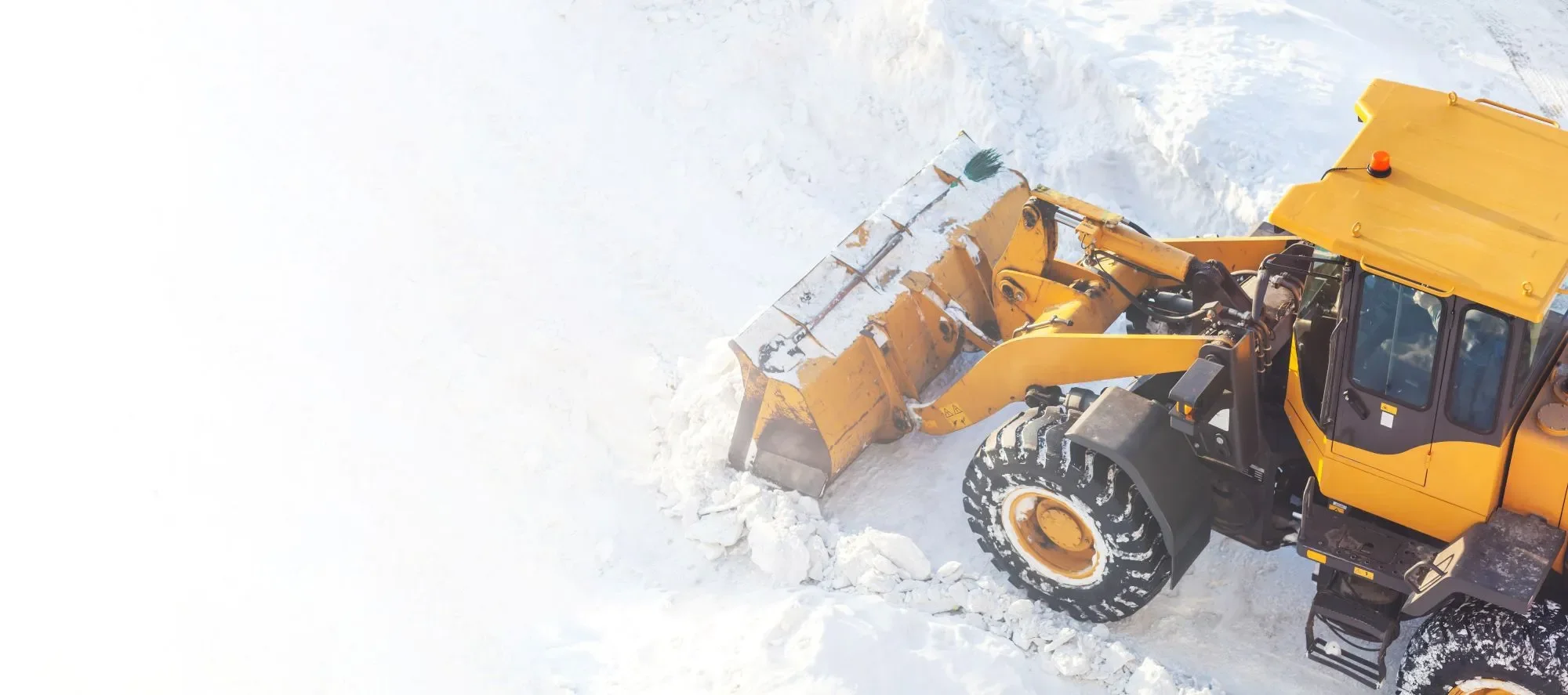
Ice can return after snow removal because clearing accumulated snow does not remove every source of moisture or prevent water from freezing again. Meltwater, compacted snow, drainage patterns, shaded surfaces, and nearby snow piles can all create new ice after a property has been cleared. Liam’s Property Care provides commercial snow clearing and ice management for Calgary properties where conditions change after the initial service.
Snow Removal Does Not End the Ice Risk
Snow clearing removes accumulated snow from parking lots, walkways, entrances, and other designated areas. It does not prevent moisture from reaching those surfaces after the clearing is complete.
A surface that is clear immediately after service may become icy later as nearby snow melts, runoff moves across the site, or compacted snow softens and refreezes. This is why commercial snow removal may require separate ice management after the initial clearing.
How Calgary Conditions Cause Meltwater to Refreeze
Recurring ice develops when liquid moisture reaches or remains on a cleared surface and the surface later becomes cold enough for that moisture to freeze. On Calgary commercial properties, changing winter temperatures can create these conditions when snow melts during warmer periods and temperatures subsequently fall. The amount of recurring ice depends on where the moisture comes from, how water moves across the property, and whether affected surfaces remain cold enough for refreezing.
Temperature Changes After the Property Is Cleared
Warmer conditions may melt stored snow or remaining surface accumulation. If that water remains on pavement when temperatures fall again, new ice can form.
The ice may therefore develop after the original clearing rather than being snow or ice that was missed during service. Conditions several hours after clearing may differ from those present when the property was first serviced.
Compacted Snow in High-Traffic Areas
Vehicle tires and repeated foot traffic can compress remaining snow into a dense layer that is more difficult to remove during routine clearing. Entrances, pedestrian crossings, drive lanes, and loading areas are common locations for this type of buildup.
If compacted snow begins to melt and the resulting moisture later freezes, the surface may become slippery even though loose snow was already removed. These areas may require additional ice management rather than another full snow-clearing visit.
Drainage and Snow-Pile Placement
The location of stored snow affects where meltwater travels during warmer conditions. Depending on the property’s grading, runoff from a snow pile may move across parking stalls, drive lanes, sidewalks, entrances, or other active areas.
A storage location that works while the snow remains frozen may create recurring ice when thawing begins. If meltwater repeatedly crosses an area that needs to remain usable, the response may involve relocating or hauling accumulated snow and treating the affected surface rather than repeatedly addressing the same downstream ice.
Shaded Walkways and Entrances
Shaded surfaces may remain colder or retain moisture longer than nearby areas receiving direct sunlight. As a result, an exposed section of pavement may improve while a nearby walkway, entrance, or building-side area remains icy.
Property managers should therefore evaluate conditions by area rather than assuming the entire property will thaw or refreeze at the same rate.
Which Commercial Areas Need Follow-Up Monitoring?
Follow-up monitoring should focus on areas where recurring moisture, traffic, shade, or drainage could create new ice after clearing.
Building entrances and exit routes: Frequent foot traffic and nearby moisture sources can change surface conditions after clearing.
High-traffic walkways: Repeated pedestrian use can compact remaining snow and expose slippery surfaces.
Pedestrian crossings: These areas combine vehicle and foot traffic, making recurring ice important to identify quickly.
Parking lot drive lanes: Vehicle traffic can compact residual snow while runoff may cross previously cleared pavement.
Loading and delivery areas: Frequent vehicle movement can make recurring ice disruptive to normal access.
Sloped surfaces and ramps: Meltwater may travel across these areas and freeze away from the original snow source.
Areas below or beside snow piles: Stored snow can continue supplying meltwater as temperatures rise.
Shaded entrances and building edges: Limited sun exposure may leave these surfaces icy after more exposed areas have improved.
The locations requiring follow-up vary by property layout, traffic patterns, drainage, and current weather conditions. Monitoring should focus on areas where surface conditions are most likely to change after the initial visit.
When Are De-Icing and Sanding Needed After Clearing?
De-icing is appropriate when existing or newly formed ice needs to be treated after snow has been cleared. It addresses frozen buildup on the surface rather than the accumulated snow removed through plowing, shovelling, or blowing.
Sanding serves a different purpose. It is used when improving traction is the immediate objective, while de-icing is intended to address the ice itself. Depending on the surface condition, a property may require de-icing, sanding, additional clearing, or a combination of treatments.
A follow-up treatment may be appropriate when runoff freezes, compacted snow remains slippery, or conditions change after the original service. The response should be based on the condition of the affected area rather than assuming every return visit requires the same treatment.
What Should a Winter Service Plan Address?
A winter service plan should clearly state how recurring ice is handled after the initial snow clearing. Property managers should confirm whether refreeze monitoring is included, which areas receive follow-up attention, and what conditions may trigger another inspection or treatment.
The scope should also clarify whether additional de-icing, sanding, or return visits are included or handled separately. This prevents assumptions about what happens when a surface becomes icy again after the original service.
Keep Commercial Access Clear After the Initial Visit
Recurring ice should be treated as a changing site condition rather than automatically as a failure of the initial snow clearing. Property managers should identify where ice repeatedly returns and confirm whether their existing winter service scope covers monitoring and follow-up treatment in those locations. Liam’s Property Care works with Calgary commercial properties where snow clearing and ice management need to account for changing conditions after the initial visit.
